Understanding the psychological triggers that drive gambling behavior
The allure of risk-taking
Gambling attracts many individuals primarily due to the thrill associated with risk-taking. This psychological appeal lies in the adrenaline rush that comes with uncertainty, where players often feel an exhilarating mix of hope and anxiety. This heightened emotional state can lead to a sense of euphoria when winning, which reinforces the behavior, creating a cycle of desire for more. Consequently, each gamble can feel like a leap into the unknown, where the potential for both loss and reward fuels the excitement. As a way to enhance this experience, many players are turning to the CrazyTower download app, which offers a variety of opportunities for engaging with gambling.
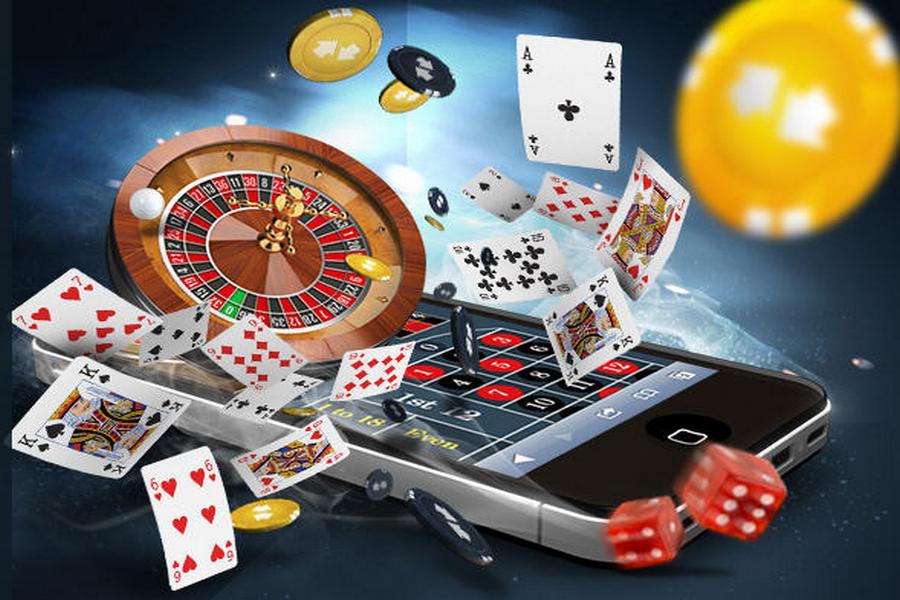
The allure of risk is further amplified by societal perceptions of gambling as a daring and adventurous activity. Movies and media often glamorize high-stakes gambling, showcasing the lavish lifestyles of successful gamblers. This portrayal can create an aspirational mindset, compelling individuals to engage in gambling behaviors, believing they might unlock similar fortunes. As a result, the environment surrounding gambling feeds into the psychological triggers that encourage participation.
Moreover, individuals who are predisposed to thrill-seeking behaviors may be more likely to engage in gambling as a form of entertainment. These individuals often seek out activities that evoke strong emotions, and gambling fits this criterion perfectly. By providing a potent mix of risk and excitement, gambling becomes not just an activity but a profound experience that fulfills the need for adrenaline and excitement in a person’s life.
The role of cognitive biases
Cognitive biases significantly influence gambling behavior, leading individuals to make irrational decisions. One common bias is the illusion of control, where gamblers believe they can influence the outcome of random events, such as dice rolls or card draws. This false sense of control can encourage continued participation, even when the odds are not in their favor. Gamblers may convince themselves that strategies or rituals can sway the outcome, reinforcing their involvement.
Another significant cognitive bias is the gambler’s fallacy, where individuals believe that past events will influence future outcomes. For instance, a player may think that a game is “due” for a win after a series of losses, leading them to wager more heavily. This flawed thinking can result in substantial financial losses, as players continue to chase their perceived chances of winning, further entrenching their gambling habits.
Additionally, selective memory plays a role in reinforcing gambling behavior. Individuals are more likely to remember their wins than their losses, creating an inflated perception of success. This selective recall leads to the belief that gambling is a viable way to achieve financial success, encouraging further engagement. As these cognitive biases intertwine, they create a complex web that sustains and promotes gambling behaviors, making it challenging for individuals to break free from the cycle.
The impact of social influences
Social influences significantly shape gambling behavior, as individuals often look to their peers for validation and acceptance. The presence of friends or family members who gamble can create a social norm that normalizes the activity, encouraging others to join in. This peer pressure can diminish the perceived risks associated with gambling and reinforce the belief that it is an acceptable and enjoyable pastime.
Moreover, online communities and social media have further transformed the landscape of gambling. The rise of online casinos has led to the creation of virtual social environments where players can interact and share experiences. This connectivity can reinforce gambling behavior as individuals celebrate wins together, share strategies, and even provide emotional support during losses. Such interactions create a sense of belonging and camaraderie that can make it challenging for individuals to recognize the potential dangers of gambling.
Additionally, cultural factors play a pivotal role in shaping attitudes towards gambling. In some societies, gambling is viewed as a traditional practice or a rite of passage, while in others, it may be stigmatized. These cultural narratives influence how individuals perceive gambling, either as a harmless form of entertainment or as a dangerous vice. Understanding these social and cultural dynamics is crucial in addressing the psychological triggers that drive gambling behavior and promoting responsible gambling practices.
The emotional underpinnings of gambling
Emotions are central to understanding gambling behavior, as individuals often gamble to escape negative feelings or to enhance positive ones. For some, gambling serves as a coping mechanism to deal with stress, anxiety, or depression. The temporary relief that comes from engaging in gambling activities can create a cycle where individuals turn to gambling as a means of emotional regulation. This reliance on gambling for emotional comfort can lead to problematic behaviors if not managed properly.
Additionally, the excitement of potential winnings can create a euphoric state, elevating mood and providing a sense of empowerment. This emotional high, however, can be fleeting, leading individuals to chase that initial feeling. The contrast between winning and losing can intensify emotions, making individuals more vulnerable to the psychological triggers of gambling. They may feel compelled to gamble more in an attempt to recreate that euphoric state, often without considering the risks involved.
The emotional highs associated with gambling can sometimes mask deeper psychological issues, leading to a form of escapism. Many individuals may not recognize that their gambling behavior is closely linked to unresolved emotional conflicts or life stressors. This disconnect can perpetuate a cycle where gambling becomes not just an activity but a way of life, complicating the relationship individuals have with their emotions and ultimately fueling further gambling behaviors.

Exploring CrazyTower: A responsible gambling platform
CrazyTower stands out as a dynamic online casino platform, addressing the psychological triggers of gambling behavior while ensuring a safe and engaging experience for users. With a comprehensive selection of games, including over 3,000 slots and live tables, the platform appeals to both new and experienced players. However, beyond entertainment, CrazyTower emphasizes the importance of responsible gambling practices.
The platform incorporates robust security measures, such as SSL encryption and verification processes, to protect users and create a safe gaming environment. By prioritizing player security and promoting awareness around responsible gambling, CrazyTower seeks to empower its users to make informed choices. The site encourages setting personal limits and provides resources for those who may need assistance with their gambling behavior.
Moreover, CrazyTower’s welcoming bonuses and promotions create an inviting atmosphere for players while still emphasizing responsible play. By fostering a user-friendly environment, the platform not only enhances the gaming experience but also works towards mitigating the potential psychological triggers associated with gambling. Through education and support, CrazyTower aims to cultivate a positive gambling culture that prioritizes the well-being of its users.