The psychology of risk Understanding your mind in Pin Up casino gambling
The Nature of Risk in Gambling
Understanding the psychology of risk is crucial for anyone engaging in gambling, particularly in an environment like Pin-Up Casino. Gambling inherently involves uncertainty, which can evoke a mix of excitement and anxiety. Players must confront the possibility of losing money while simultaneously being enticed by the chance to win big. This duality can create a compelling psychological experience that influences decision-making and behavior. One popular option is the book of ra slot real money online casino, which adds an extra layer of thrill to the gaming experience.

Moreover, the thrill of risk can lead to a phenomenon known as “loss aversion,” where individuals feel the pain of loss more acutely than the pleasure of gaining. This psychological aspect can drive players to take on higher risks, hoping to recover previous losses. Recognizing these tendencies can help individuals better navigate their emotions while gambling, allowing for more informed choices.
The Influence of Environment on Gambling Behavior
The environment in which one gambles plays a significant role in shaping psychological responses. In an online setting like Pin-Up Casino, players can enjoy a more relaxed atmosphere compared to the hustle and bustle of a physical casino. This can lead to more calculated decisions, as players are often in the comfort of their own homes, away from the social pressures found in land-based casinos.
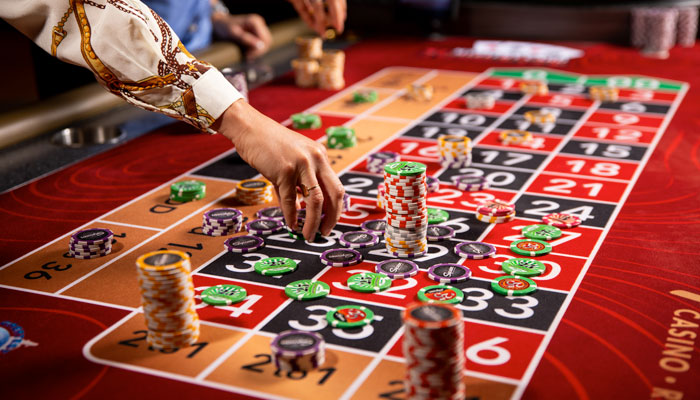
Conversely, the stimulating environment of a physical casino can heighten emotions and lead to impulsive behavior. The bright lights, sounds, and social interactions can create a rush that clouds judgment. Understanding how these environmental factors affect risk perception is key for anyone looking to manage their gambling habits effectively.
The Role of Cognitive Biases
Cognitive biases significantly influence how players perceive risk and make decisions in gambling. For instance, the “gambler’s fallacy” leads individuals to believe that past outcomes can influence future results. This misconception can encourage players to continue betting after losses, believing that a win is “due.” Such biases can distort risk assessment and lead to reckless gambling behavior.
Another common bias is “confirmation bias,” where players focus on information that reinforces their beliefs about luck or skill, disregarding evidence to the contrary. Recognizing these cognitive traps can empower players to make more rational decisions and mitigate the psychological pitfalls often encountered in gambling scenarios.
Strategies for Responsible Gambling
To navigate the psychological complexities of gambling, adopting strategies for responsible gaming is essential. Setting clear limits on time and money can help maintain a healthy relationship with gambling. Pin-Up Casino encourages players to establish personal boundaries, which can safeguard against the emotional highs and lows that often accompany gambling.
Additionally, taking regular breaks and monitoring one’s mood can enhance self-awareness, allowing players to disengage when emotions run high. Such practices can lead to a more enjoyable experience, minimizing the potential negative impacts of gambling-related stress and anxiety.
Why Choose Pin-Up Casino
Pin-Up Casino stands out as a premier platform for online gaming, particularly with popular offerings like the Book of Ra slot. The site is designed to provide an engaging experience with user-friendly features, ensuring that players can easily navigate their gaming journey. This commitment to quality extends to responsible gambling practices, with tools that empower users to manage their activity effectively.
With its enticing bonuses and straightforward gameplay, Pin-Up Casino not only caters to thrill-seekers but also prioritizes the mental well-being of its players. By fostering an environment that promotes awareness and responsible gaming, Pin-Up Casino allows individuals to enjoy the excitement of gambling while keeping their psychological health in check.